AI for UI & Visual Design
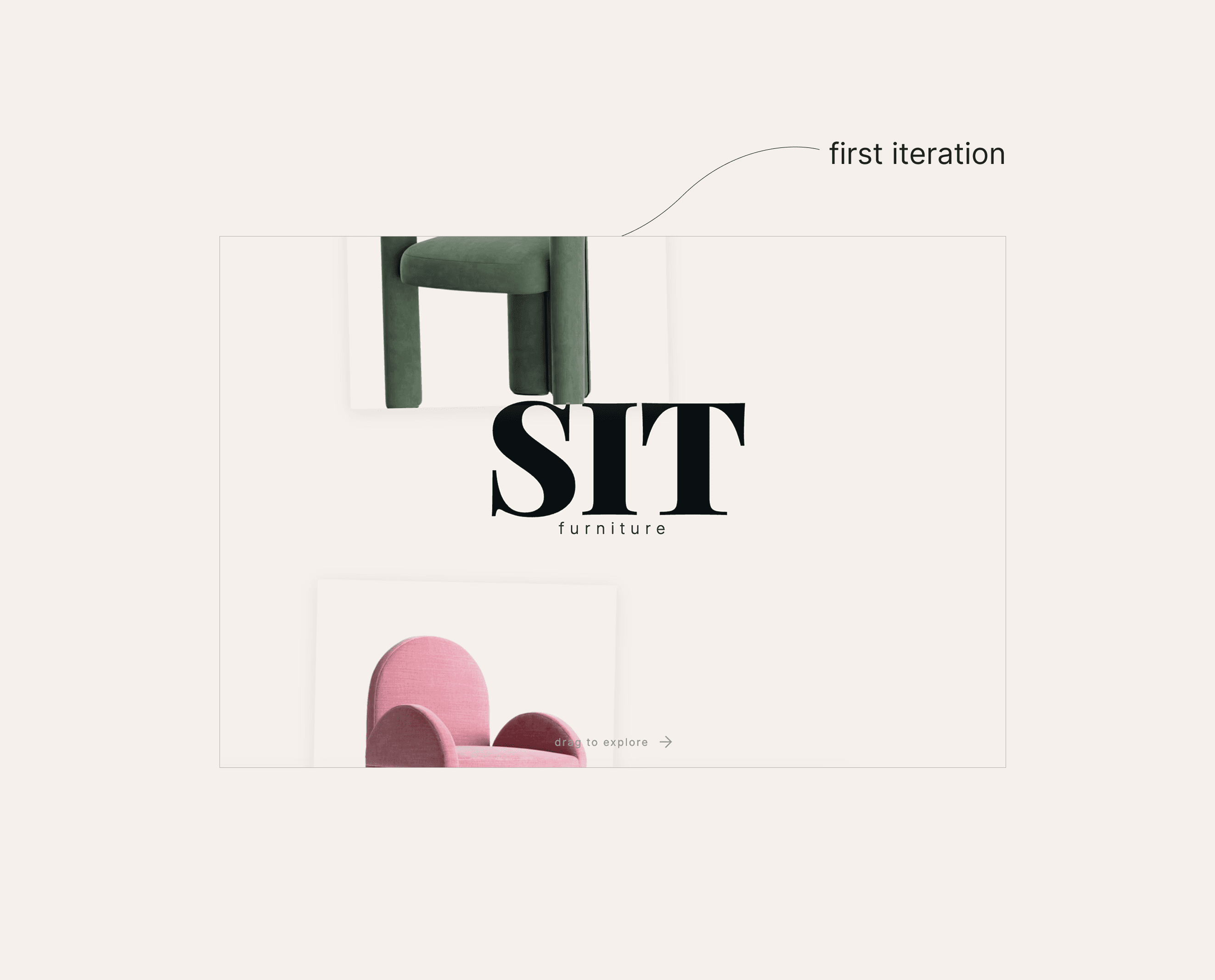
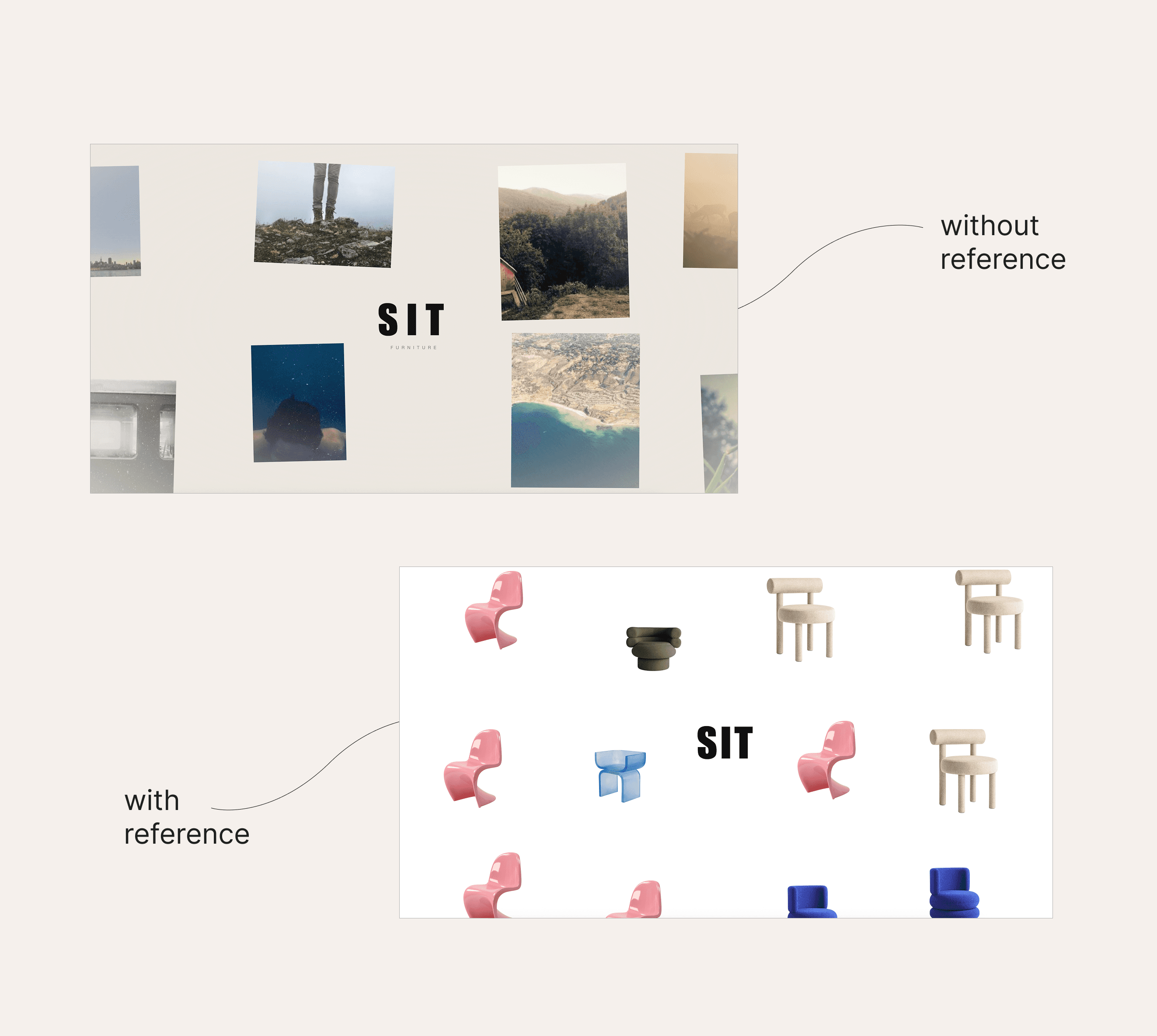
I designed an infinite canvas in Figma, with product images floating freely across a white background, draggable in any direction, with hover cards revealing name and price. Then I gave the same brief and the same reference image to four AI coding tools and documented what each one produced.
same prompts, same references, different results↓
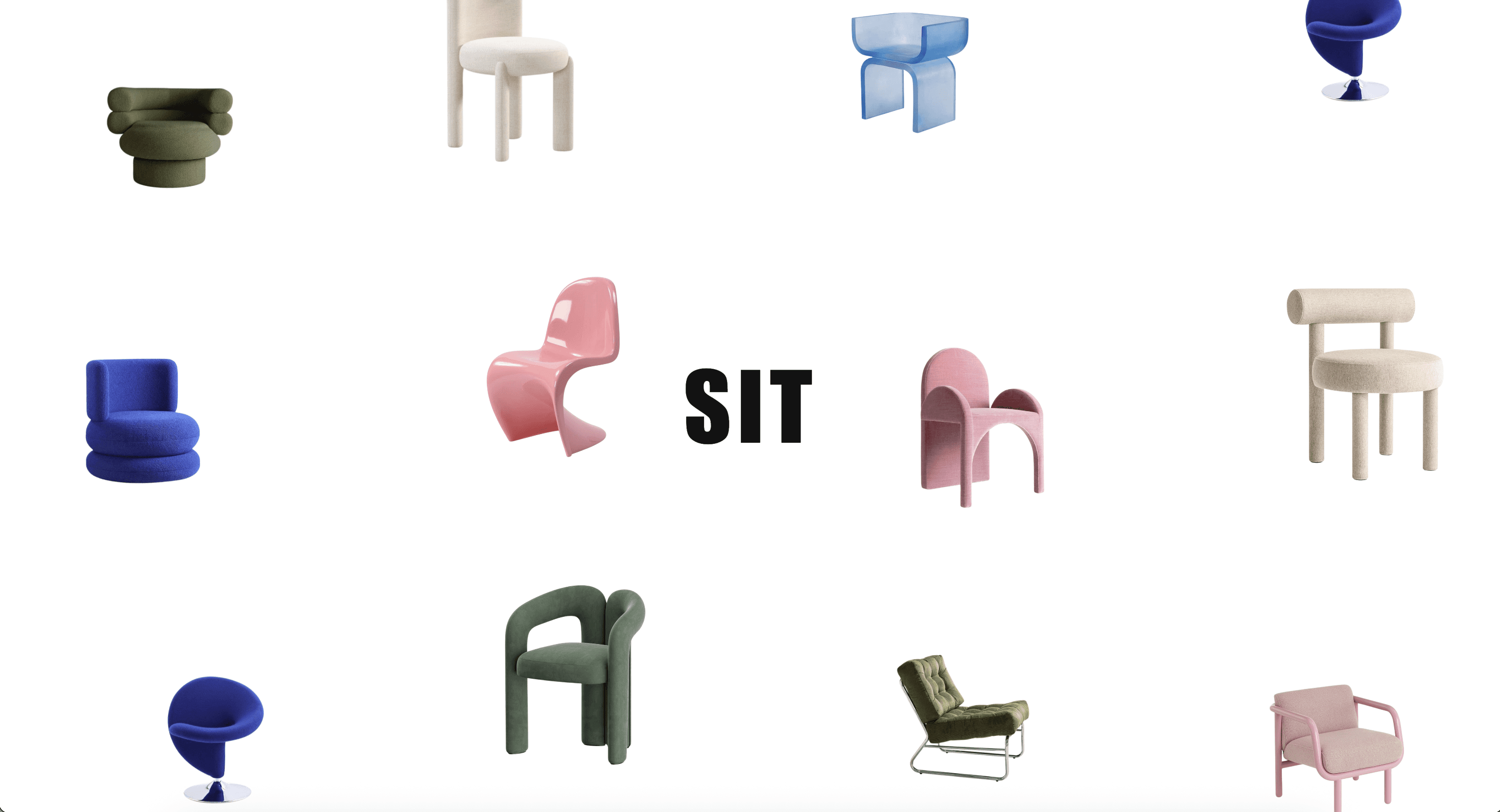
Closest Replica (3 prompts)
On Claude Code
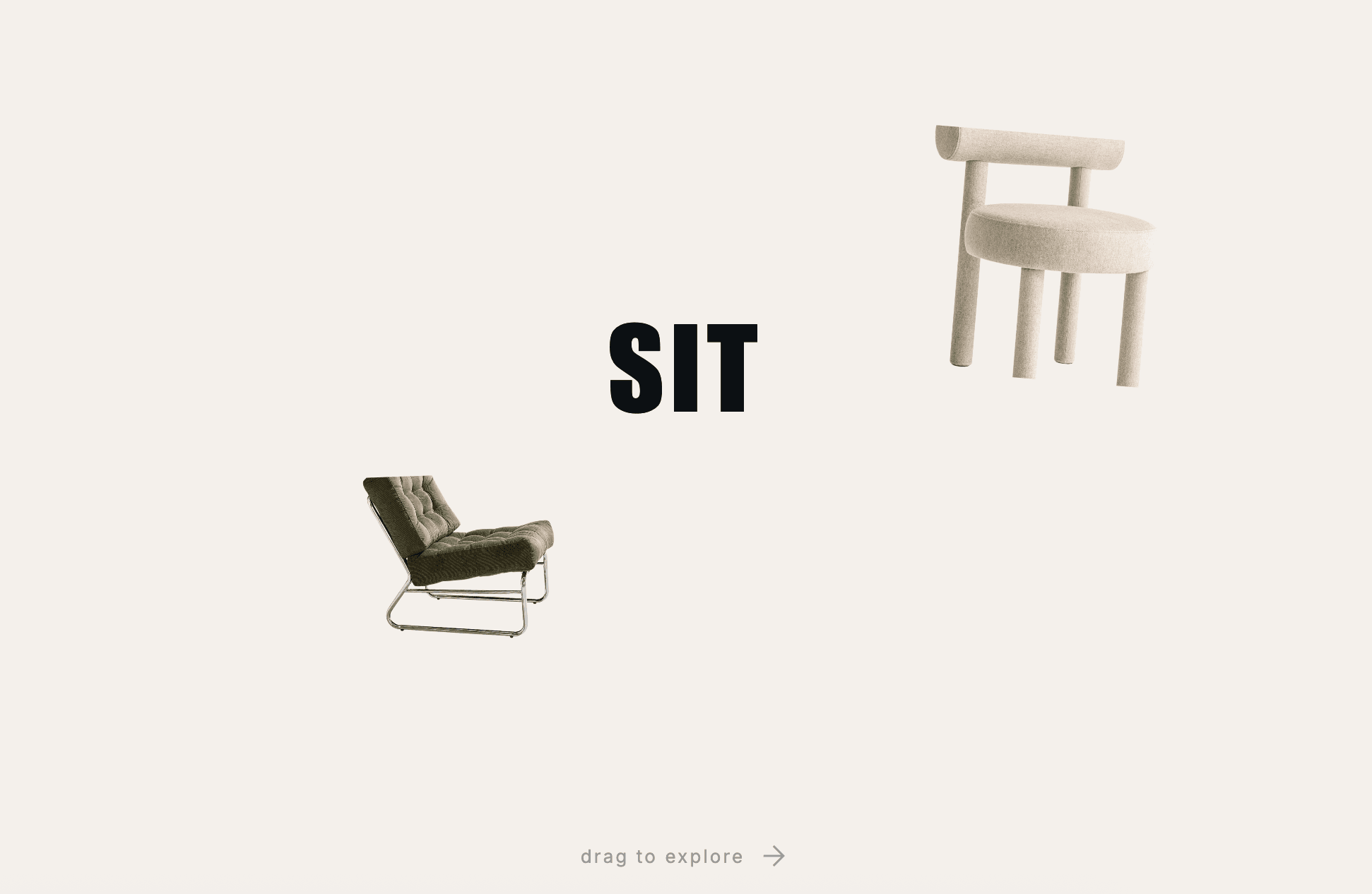
Farthest Replica (7 prompts)
On v0.dev
I'm learning to work with AI by pushing it until it breaks, and paying attention to what happens.
My prompting strategy
Layout before anything else
Nothing else matters if the spatial structure and interactivity is wrong. I'd try to get the canvas positioning, density, breathing room right before fixing colors and fonts.
Isolate one component, be specific
Vague feedback gives vague results. I made sure to be so detailed in my prompts, that there is no room for the AI tool to do guesswork.
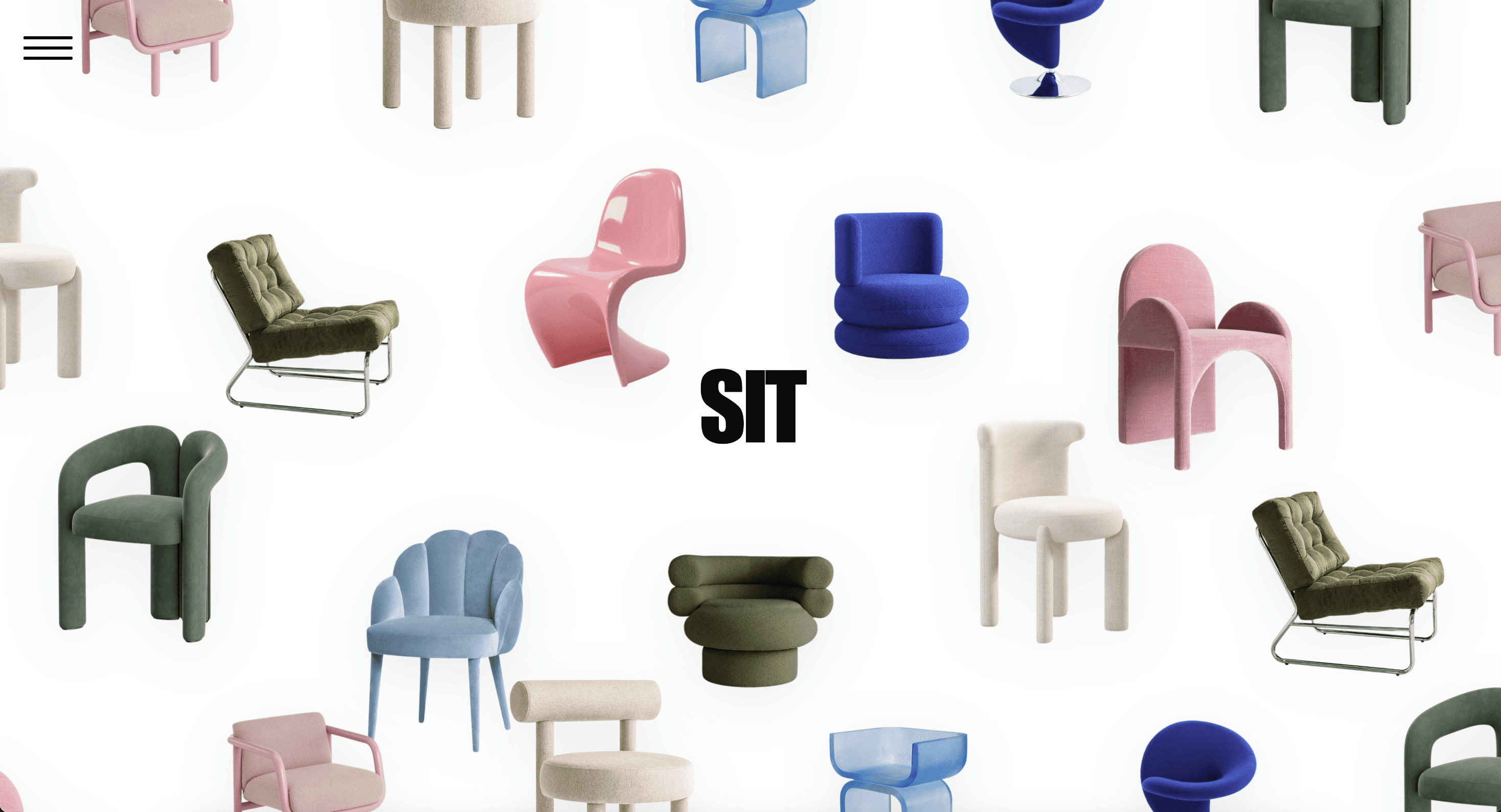
Cursor (4 prompts)
faithfulness—————— 75%
deviation——————— incorrect layout spacing
surprise———————- breathing animation on images
v0 (7 prompts)
faithfulness—————— 30%
deviation——————— redesigned identity
surprise———————- useful microcopy
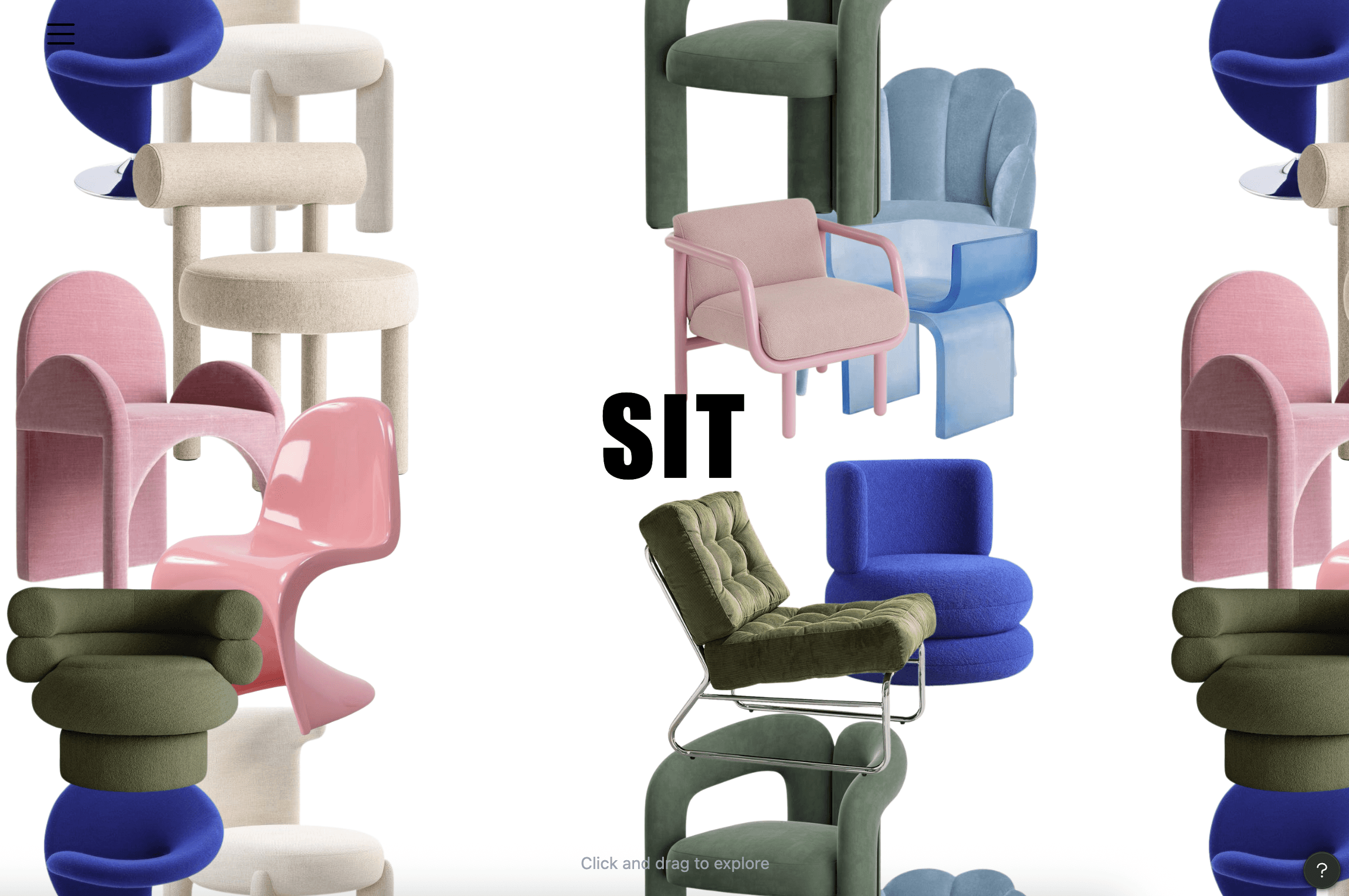
Figma Make (7 prompts)
faithfulness—————— 60%
deviation——————— images stacked, not scattered
surprise———————- unprompted micro-interactions
Claude Code (3 prompts)
faithfulness—————— 90%
deviation——————— increased kerning in the title
surprise———————- almost identical to my reference
I'm learning to work with AI by making a note of what works well, and what doesn't.
I'm learning to work with AI by understanding both of our weaknesses and strengths.
What AI is good at
Handling the technical execution
Iterating quickly once direction is clear
Generating a working base fast
What I bring
Design eye to evaluate output vs. intent
Precise prompting strategy
The design vision
#1
Knowing which tool to reach for before starting
a project.
#2
Reading the AI code output, not just the visual output.
#3
Understanding the full capabilities of AI as a design tool.
I'm learning to work with AI
one experiment at a time.
Copyright 2026