Film Manipulation- A Museum Experience
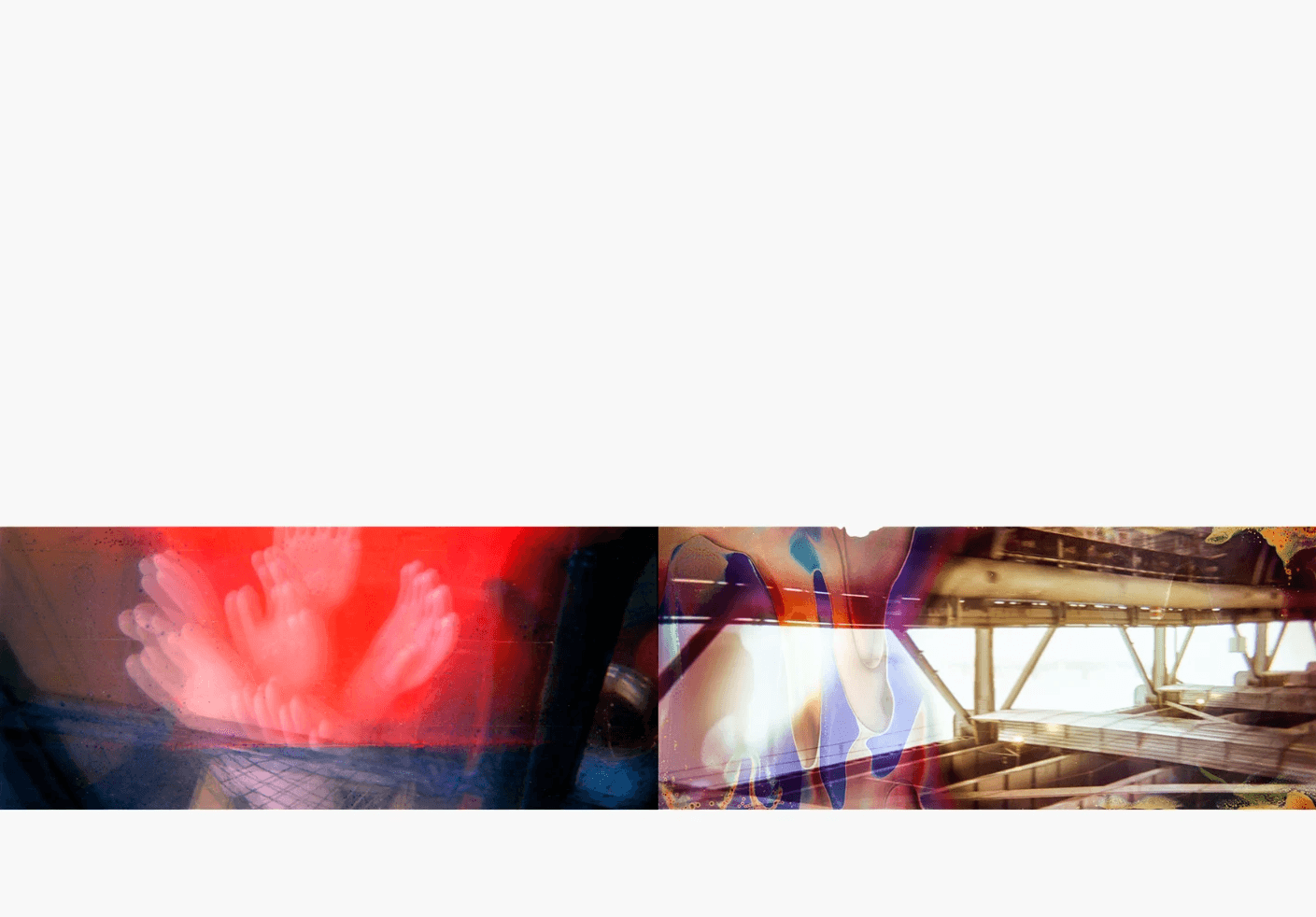
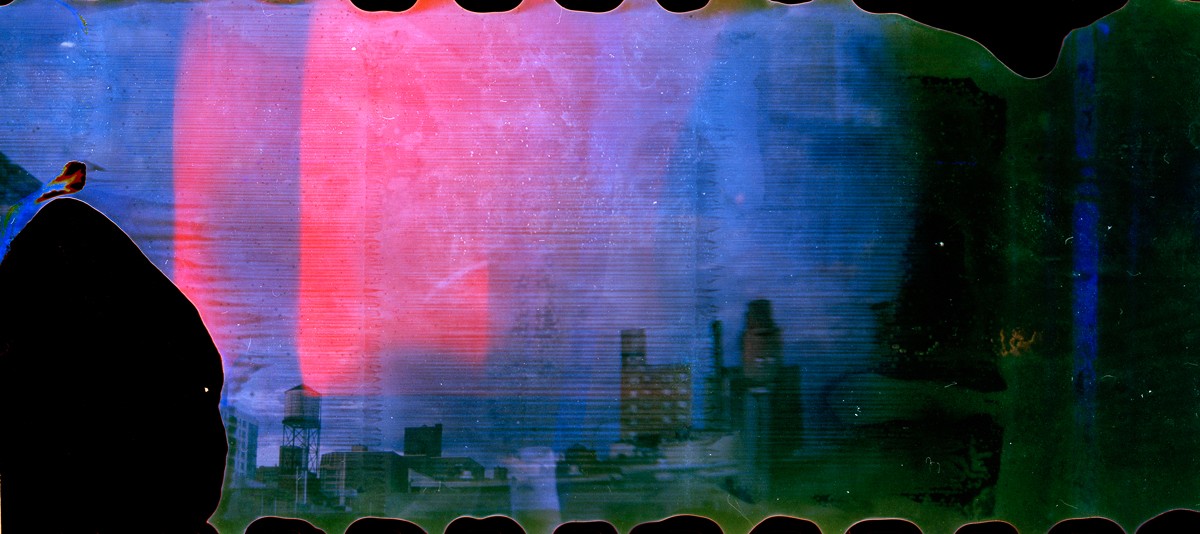
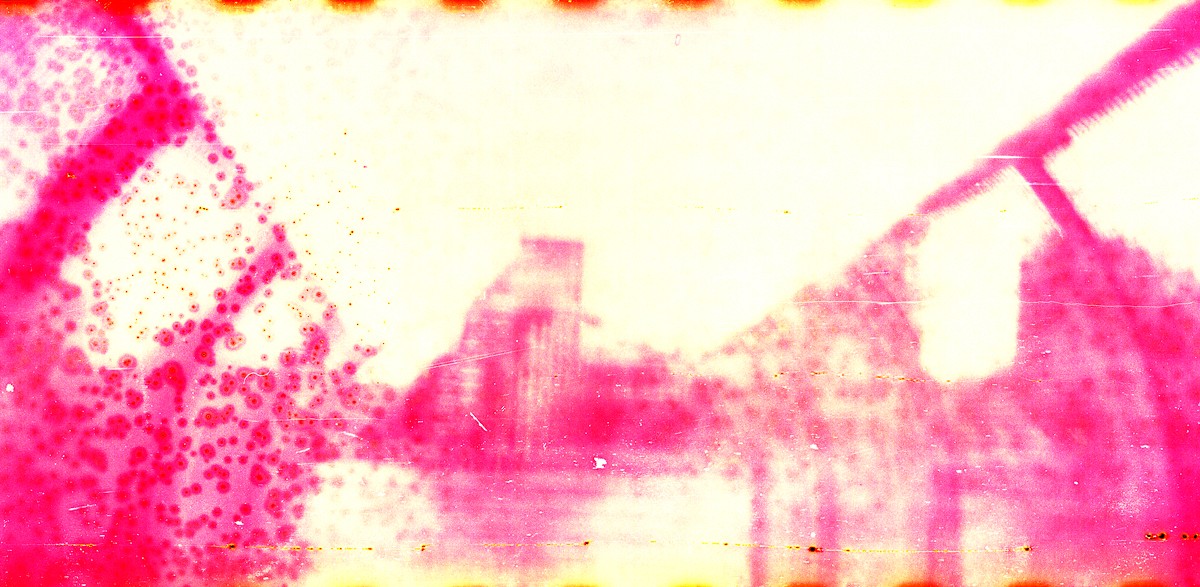
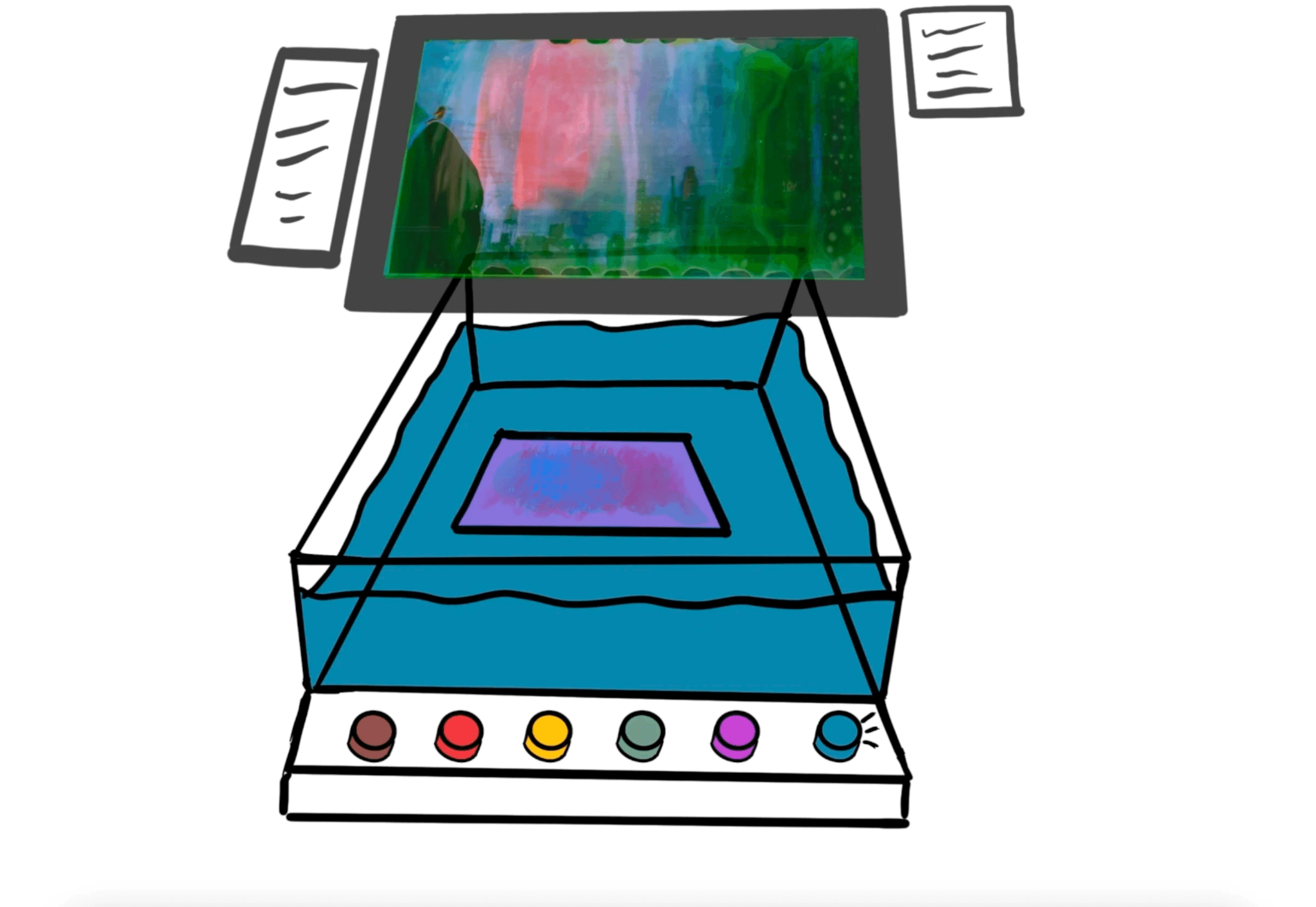
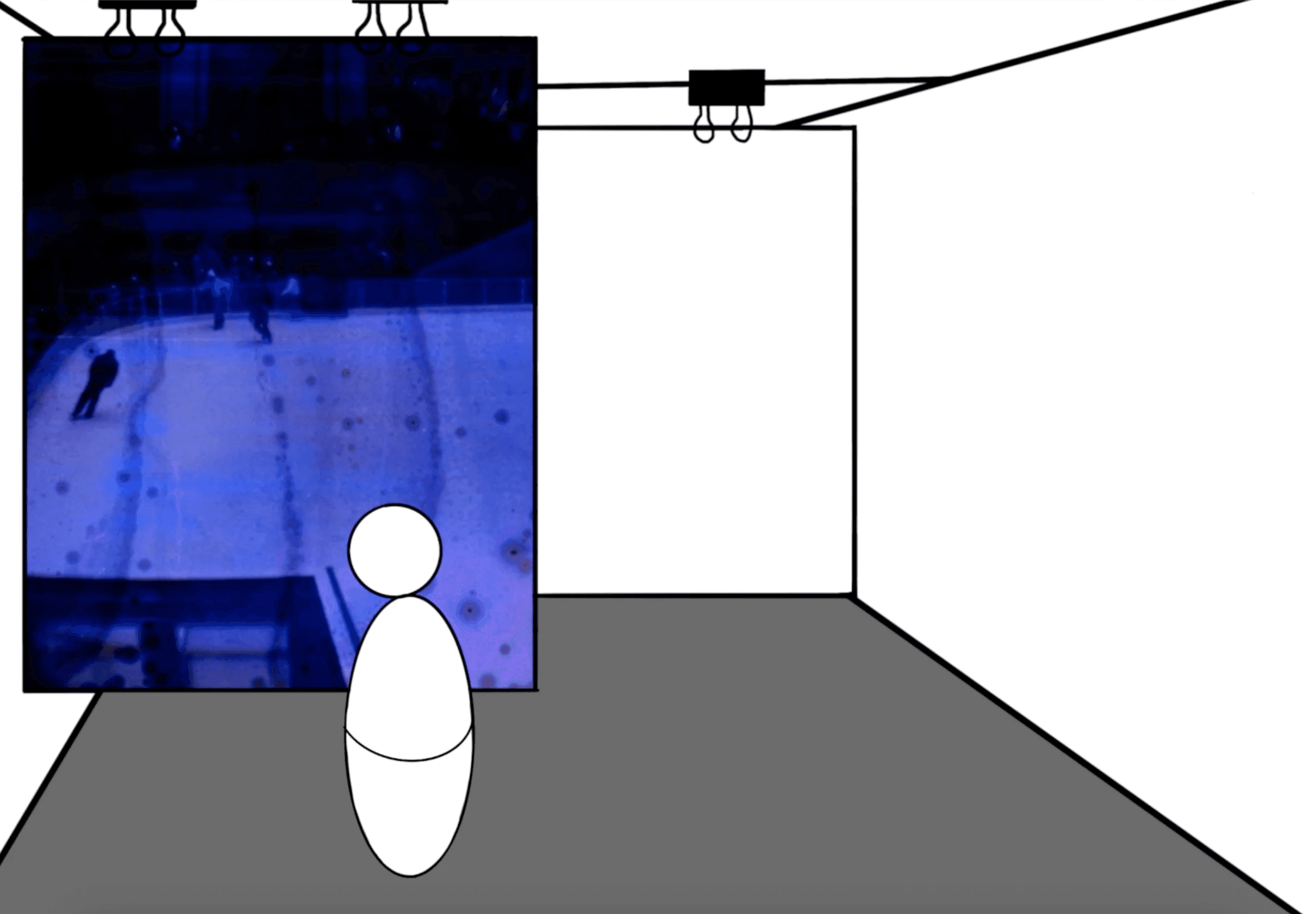
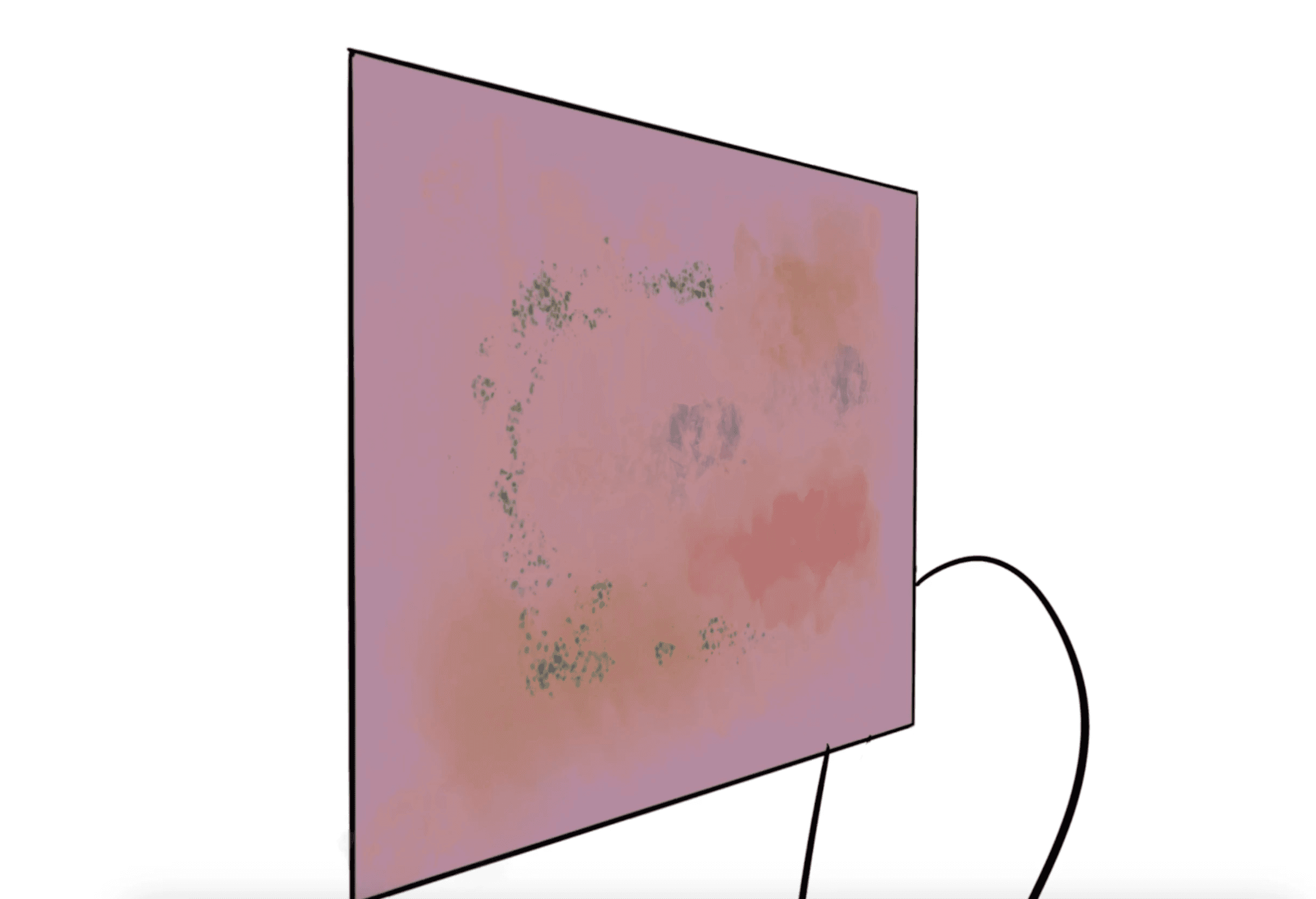
This interactive museum exhibition is inspired by the experimental film photography of Matthew Cetta, where he transforms film using unexpected materials like chemicals, drinks, and electricity. Our exhibit translates his playful, hands-on process into an immersive, movement-based experience through five touchpoints. Each interaction invites visitors to learn through doing, embracing imperfection and creative risk. The goal is not to teach film manipulation as a technique, but to encourage self-expression and exploration of unconventional processes.
Project Type
Master's Group Project
Year
2025
Scope
Embodied Interaction,
Experiential Learning
-Matthew Cetta, Film Photographer
What is Film Manipulation?
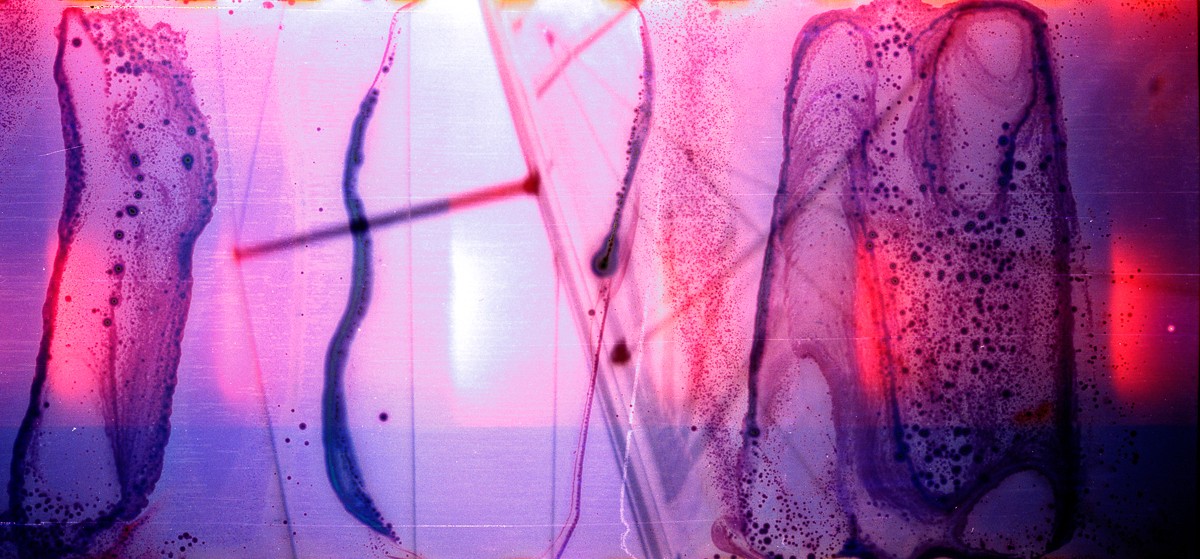
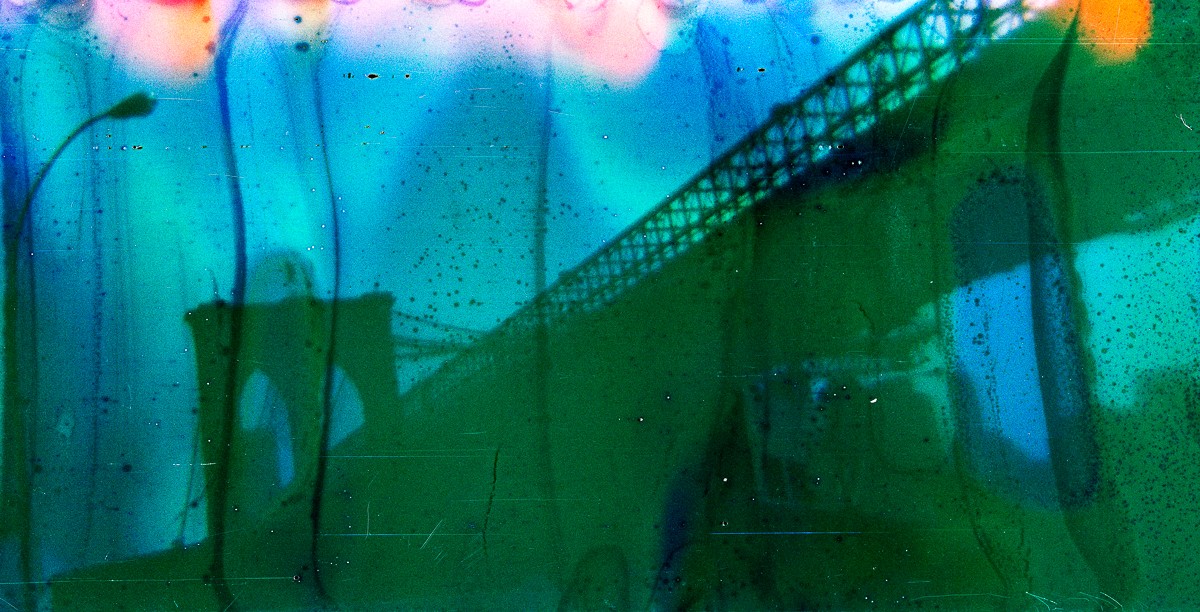
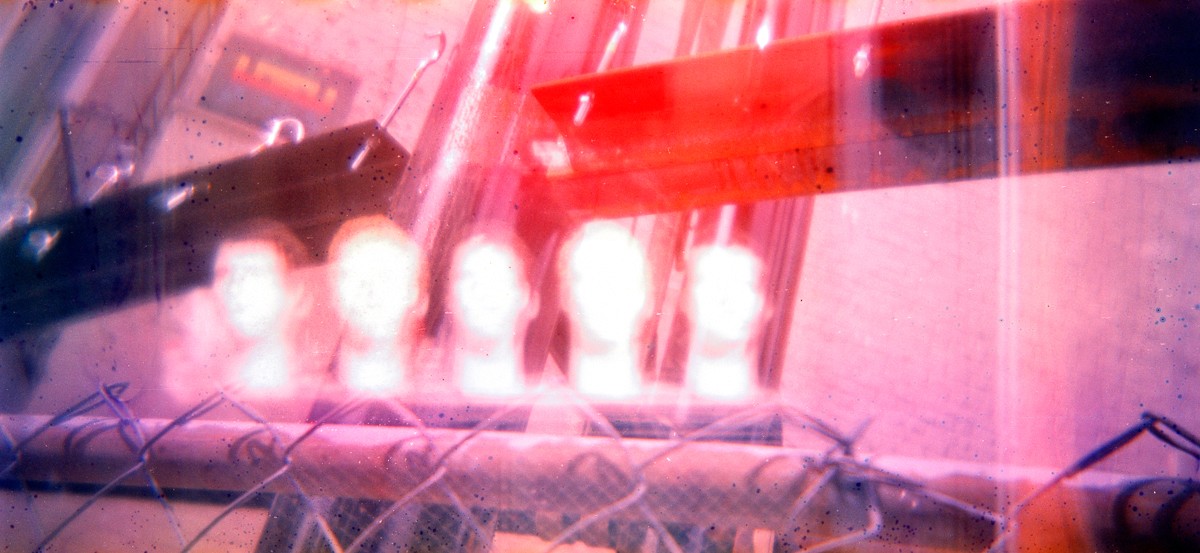
Film manipulation is the experimental process of altering photographic film using unconventional methods such as chemicals, heat, freezing, or electricity, to distort or transform images.

What was our Goal?
Our goal was to create an interactive museum experience that brings Matthew Cetta's film manipulation to life through embodied interactions.
Finding our
Through Cultural Probe
We conducted a cultural probe to explore how people emotionally connect with images and memories through movement and interaction. Responses from five participants revealed recurring themes of family, childhood, and travel, showing that imagery often evokes reflection on the past rather than the present.
These insights guided us to design embodied interactions that encourage visitors to move with intention- slowing down, focusing on one image at a time, and engaging their body as a tool for reflection.
Takeaways from the Probe
#2 Desire for slower engagement
#3 Curiosity about materiality
#1 Imagery evokes reflection
Shaping our
Through Physical Prototyping
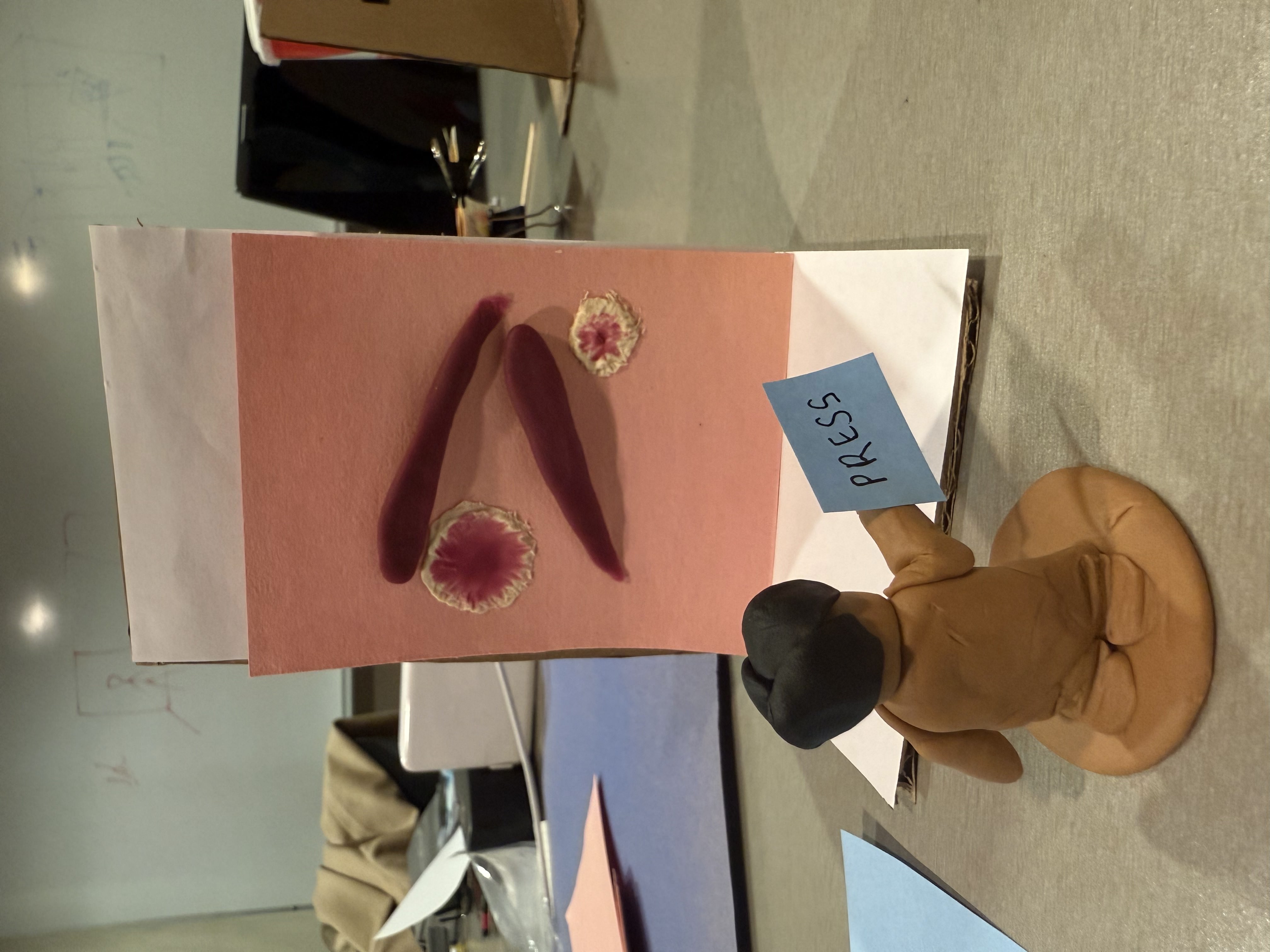
Physical prototyping allowed us to explore how movement and interaction influence emotional engagement within the exhibition. By experimenting with different interaction methods (such as proxemics and movement sensitivity) we learned how visitors naturally connect through gesture and body movement.
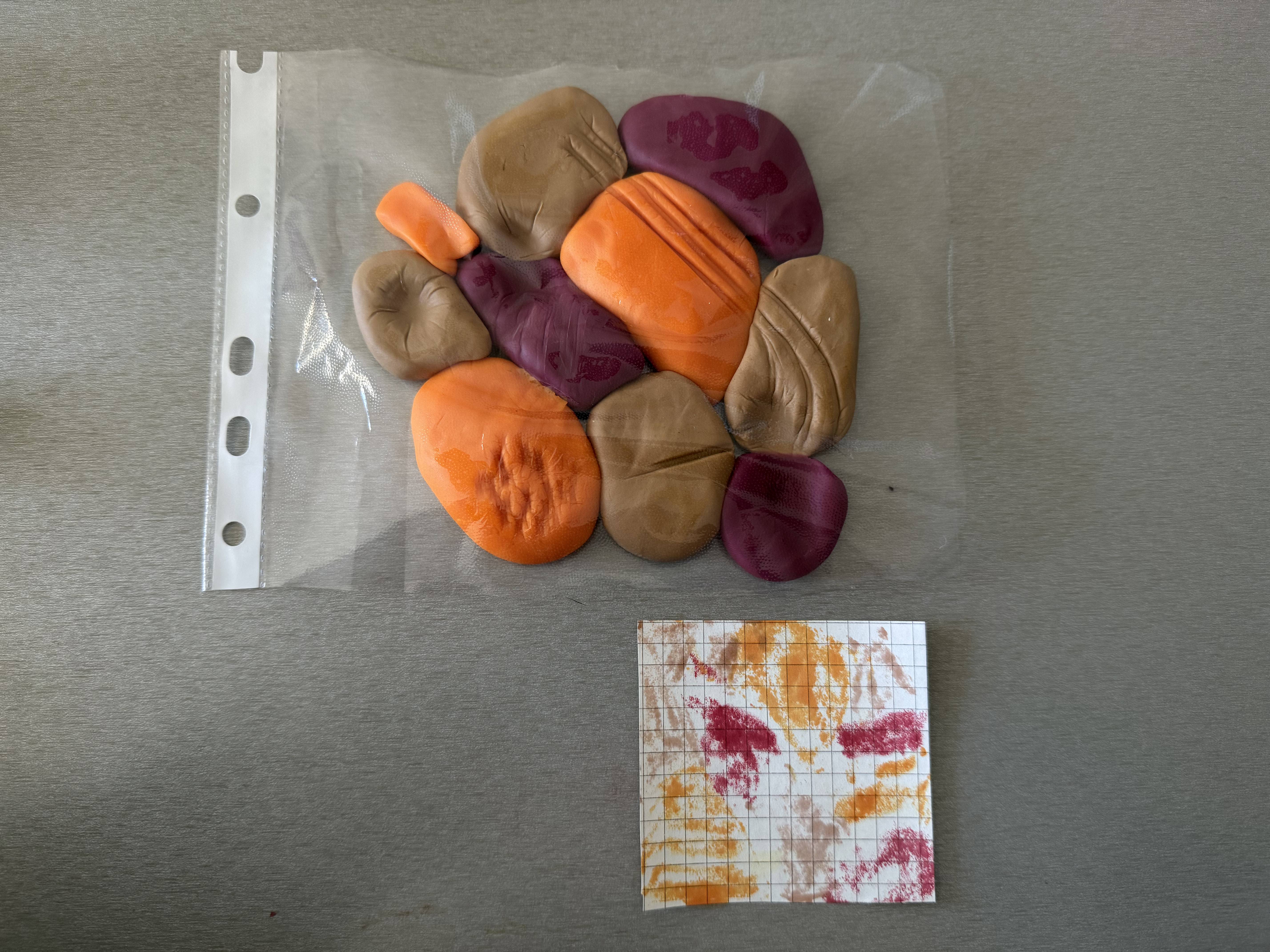
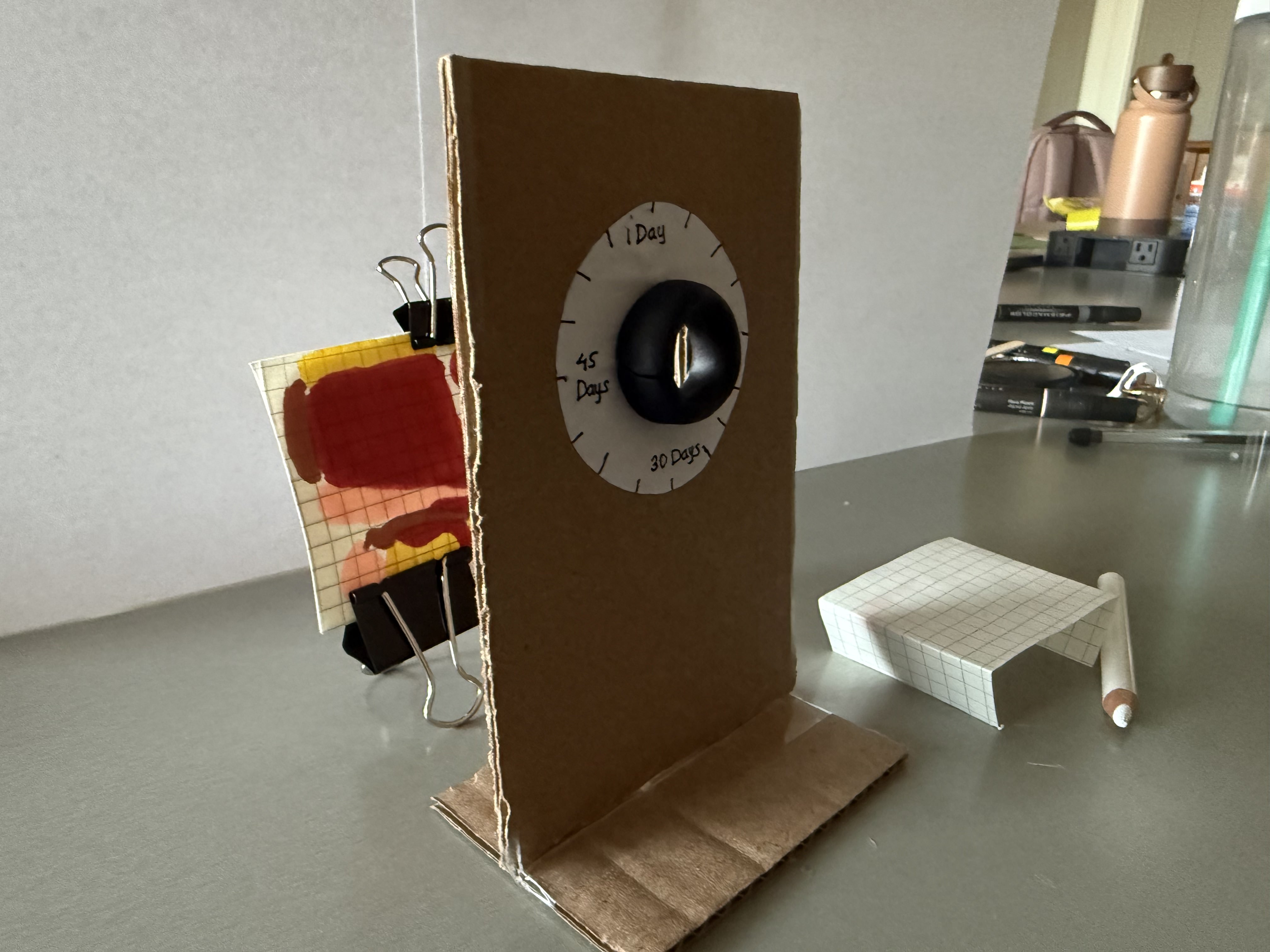
Takeaways from Prototyping
#2 Curiosity sustains interaction
#3 Emotional keepsake for closure
#1 Participation isn't compulsory
#1
The touchpoints should be embodied and engaging
#2
The exhibition stalls should follow a cohesive theme and flow
#3
The interactions should support artistic exploration
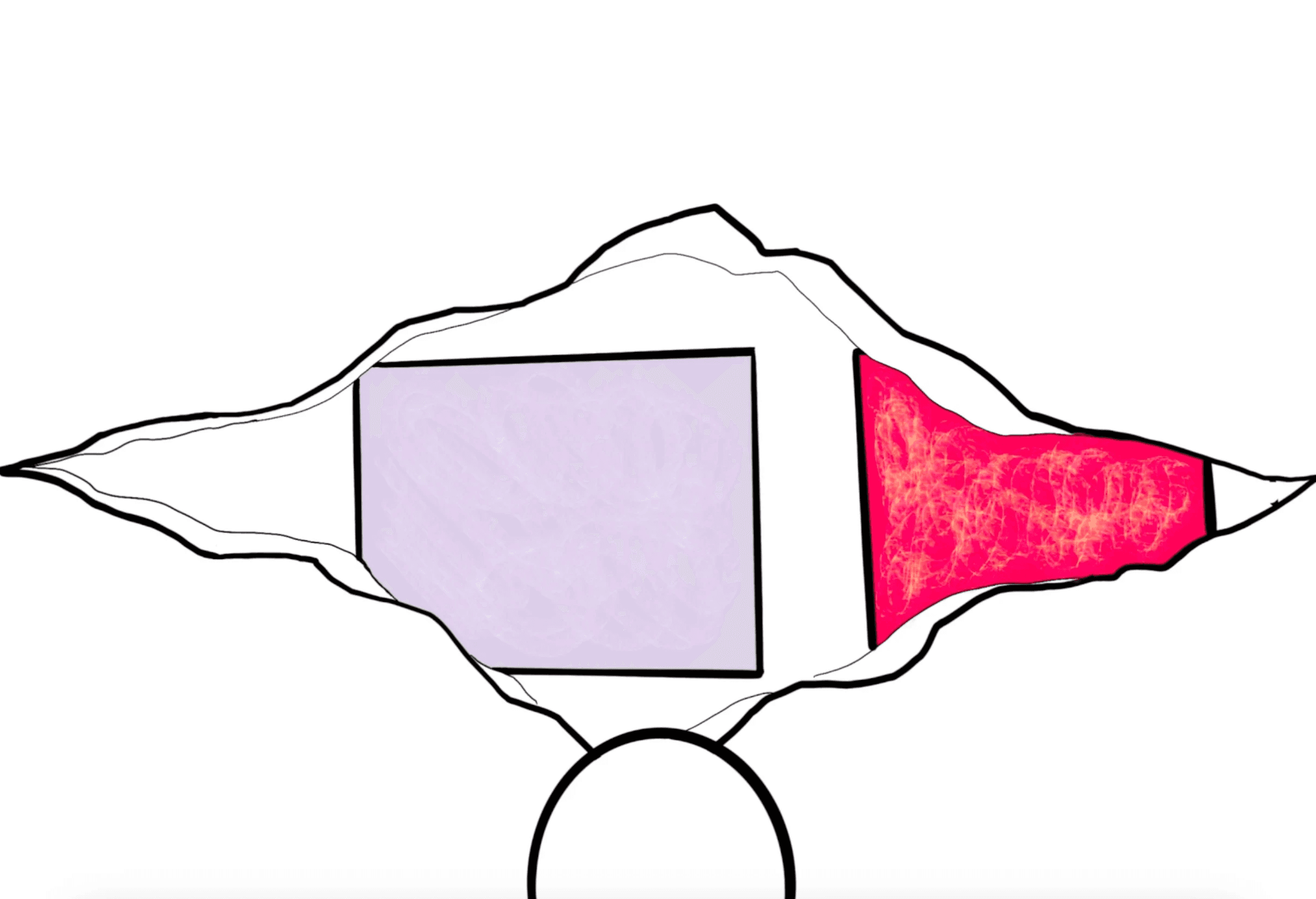
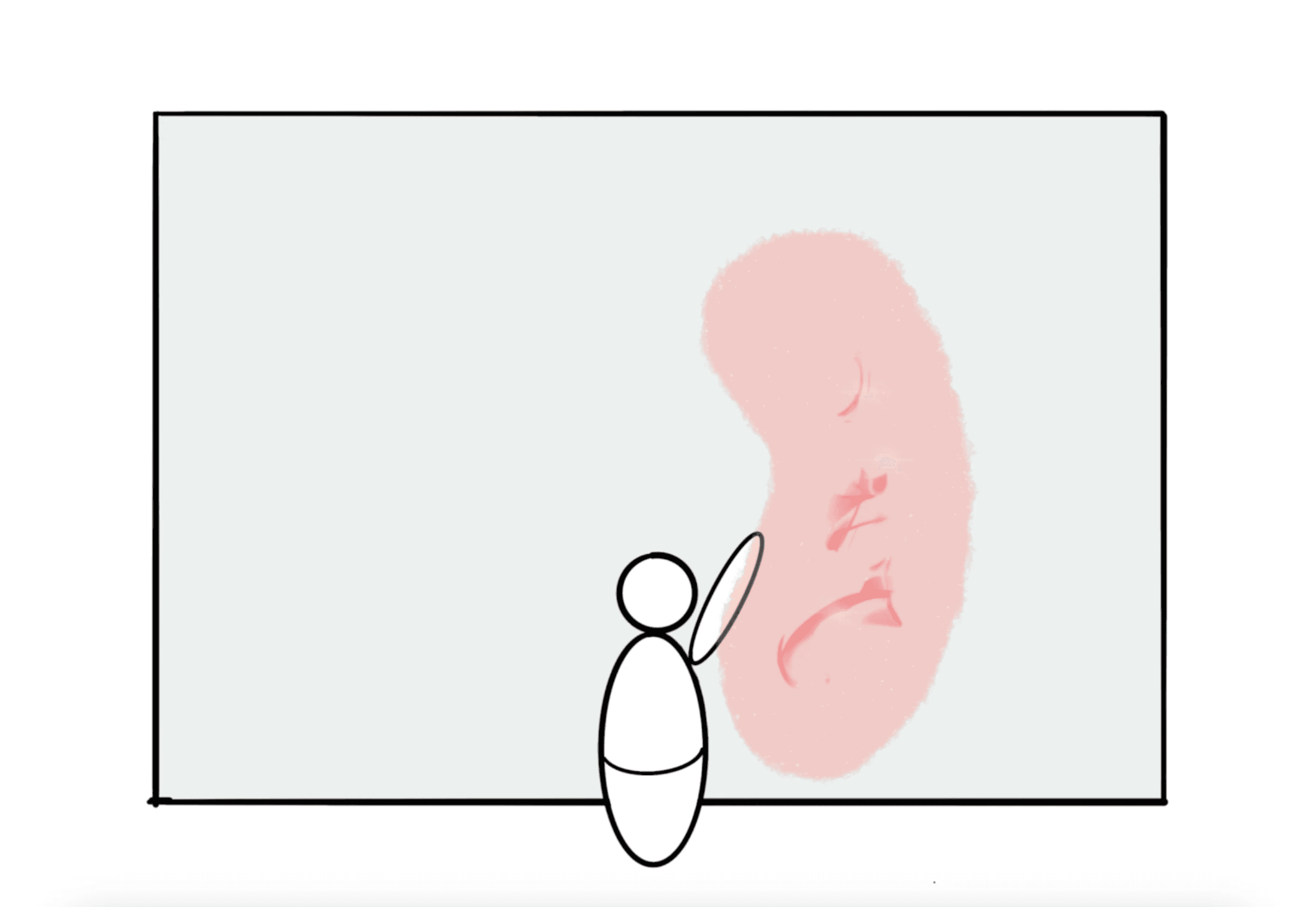
Creating our
My learnings
Emotion is a valid design outcome
Beyond usability, I learned to value emotional resonance. Designing for curiosity, reflection, and self-expression.
Participation can be passive
Meaningful engagement can happen even when interaction is optional or observational. Giving them the choice to interact is key.
Tech should enhance, not dominate
Simplifying tools reaffirmed that tech works best when it truly supports, not overshadows, the experience.
Reimagining formal introductions
Kroger's Exchange Workflow
<——— previous
next ———>

Copyright 2026